MEET NASANDRATRA: a final-year veterinary medicine student conducting research on the health of radiated tortoises.
In the heart of southwestern Madagascar, where dry forests and thorny thickets meet coastal dunes, lives one of the island’s most iconic and endangered species: the radiated tortoise (Astrochelys radiata).
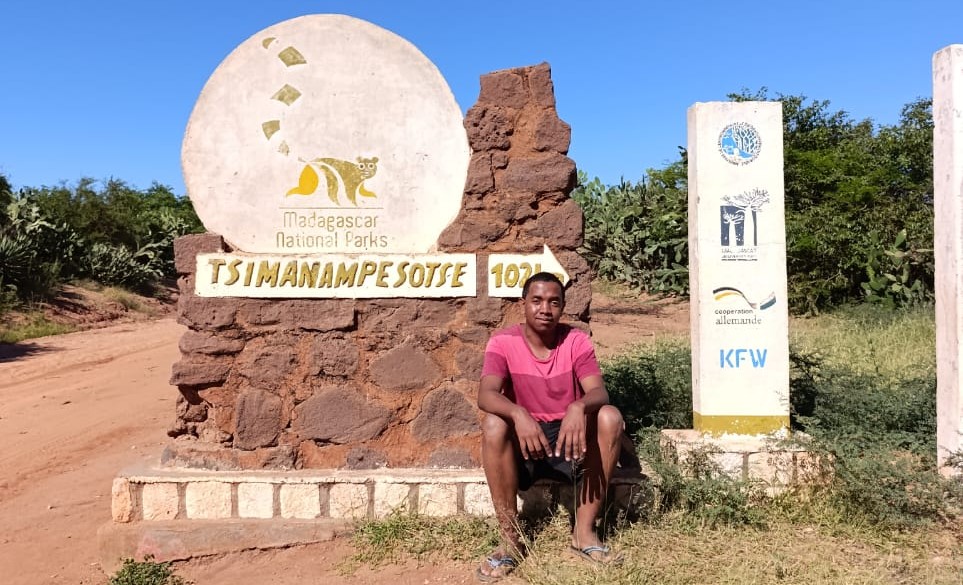
Aina Nomenjanahary Nasandratra, a final-year student at the Faculty of Veterinary Medicine, University of Antananarivo, recently joined Women Rise Wildlife Research to contribute to the understanding of radiated tortoise health through a parasitological study.
His internship project, entitled “Density and diversity of internal parasites in wild and captive radiated tortoises,” was conducted in Itampolo, in the Atsimo-Andrefana region. Over a period of 24 weeks, Nasandratra collected samples and performed parasitological analyses to further our knowledge of the health of these tortoises, both in the wild and in captivity.
FIELDWORK IN ITAMPOLO
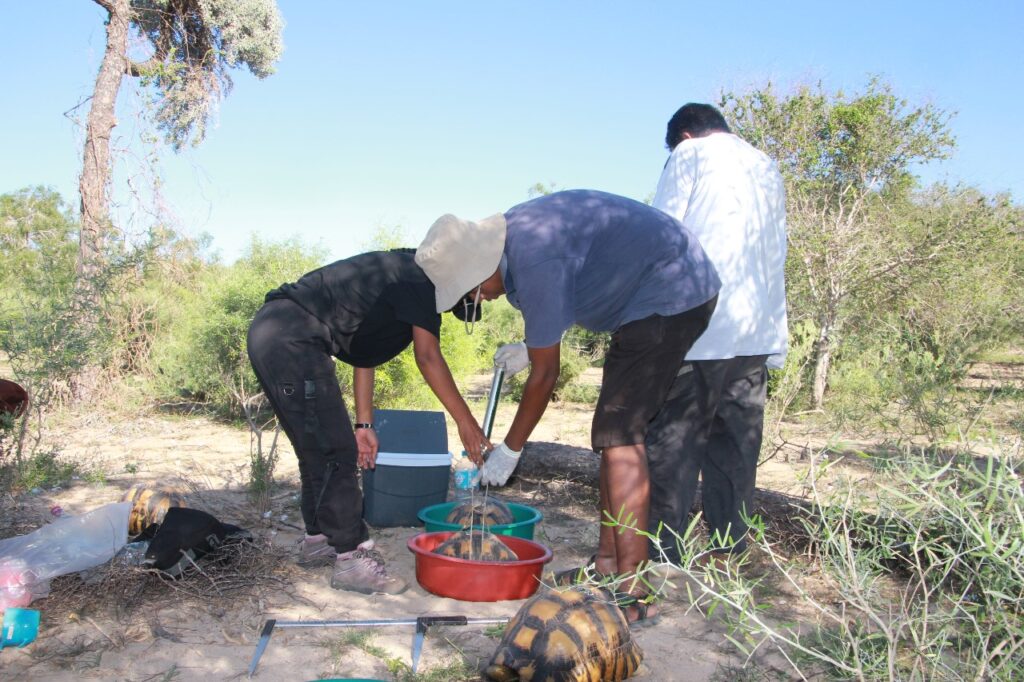
Nasandratra’s fieldwork took place at five main sites for the wild environment: Bemanateza, Ankazoabo, Malangeriake, Tongaenoro, and Lavavolo, and one site for the captive environment, Lavavolo Tortoise Center (LTC).
His daily tasks consisted of collecting fecal samples, recording morphometric data, and performing microscopic analyses, a process that required patience, precision, and a deep passion for wildlife health.
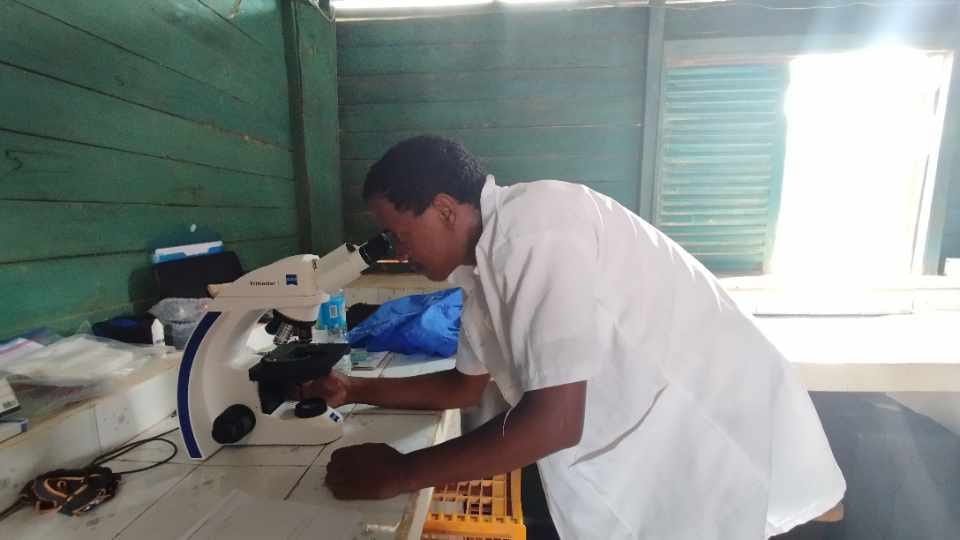
“The most rewarding part was realizing how much these small details, such as a microscopic egg, can teach us about the entire ecosystem,” Nasandratra said in his report
Why it matters?
His work highlights the importance of regular health monitoring and better hygiene practices in tortoise captivity centers. Good parasite management can significantly improve the survival and reintroduction of radiated tortoises, a species now on the brink of extinction.
What's next?
Nasandratra’s journey illustrates the essential role of young Madagascan researchers in protecting biodiversity. By training these future scientists, Women Rise Wildlife Research is helping to build a new generation of conservation leaders who understand and protect the fragile links between animal, human, and nature health.